 WhatsApp
Build a creator portfolio for brand enquiries
Connect each sample to the work you can deliver, then make the next conversation easy with clear project context and contact details.
When a brand opens your portfolio, it needs to understand what you make, which parts of the work you handled and how to start a conversation. Strong samples can still leave basic questions unanswered if they have no context. A useful portfolio connects what someone sees with what they could ask you to deliver.
For creators in Dubai and across the Middle East, clear information about language, location and collaboration type makes that conversation more practical. You can begin with accurately labelled personal samples and develop the portfolio as your work grows.
1. Open with a practical introduction
Describe your subject area, presentation languages or dialects, and the work you want to discuss. “I create Arabic videos explaining home organisation tools, covering concept, filming and editing” communicates more than a string of broad claims about creativity.
Include your city or country when relevant to filming or product delivery, without publishing your home address. If you offer Arabic and English content, make examples in both languages easy to find. An English written introduction alone does not show your on-camera delivery in English.
2. Organise samples around the work you offer
Choose examples that demonstrate different relevant abilities. Depending on your work, these might include a direct-to-camera explanation, practical demonstration or voiceover. Avoid filling the portfolio with near-identical samples simply to make it look larger.
Use descriptive labels such as “Arabic product explanation” or “English voiceover”. Where you include both content delivered to brands and work published on your own account, identify the type beside each example. The reviewer should not need to search other profiles to understand what they are watching.
Make the first sample relevant to the enquiry
When responding to a specific project, link directly to the most relevant section while keeping the wider portfolio accessible. If you create a shorter selection, preserve the context needed to understand your role and the original work.
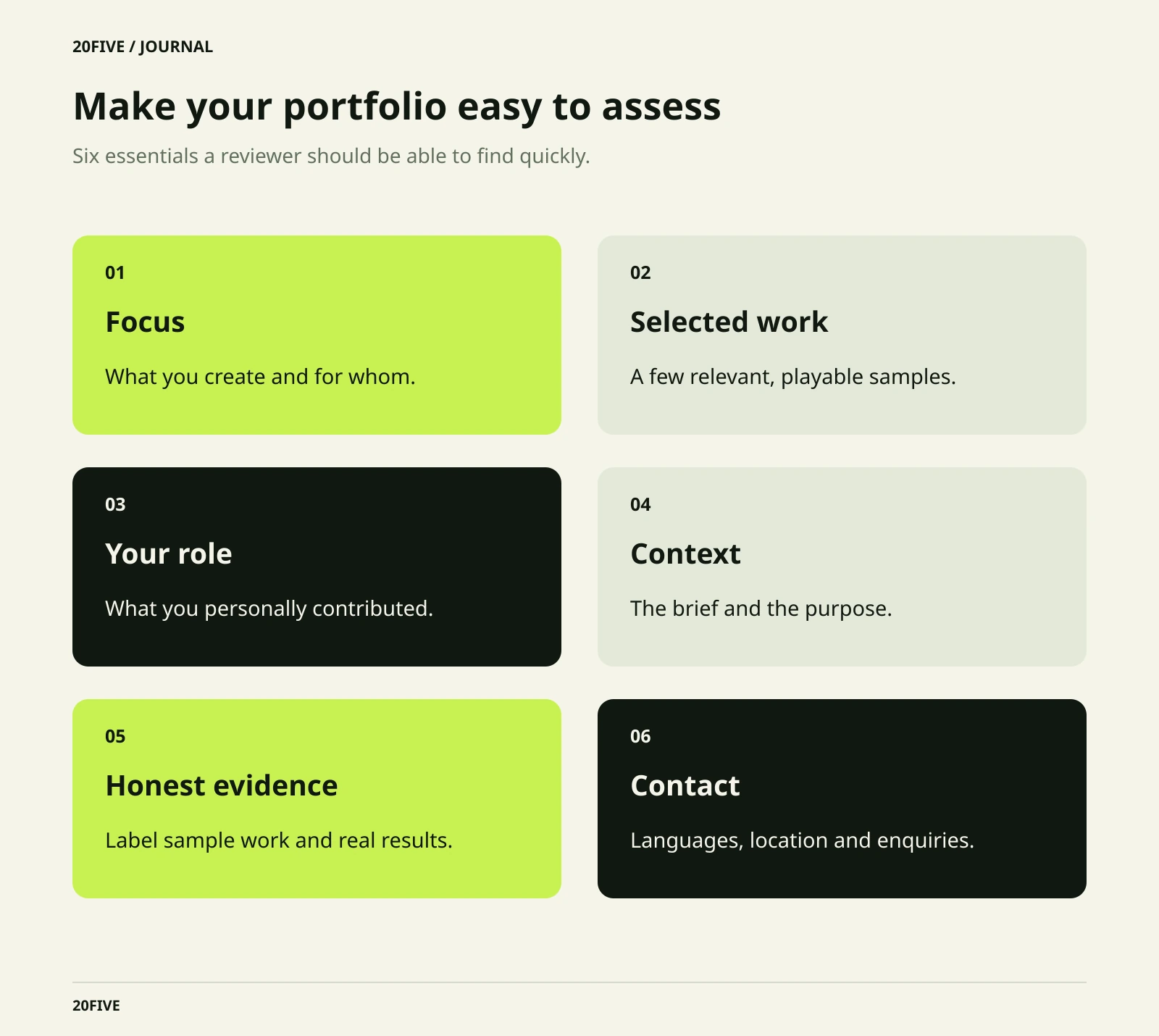
3. Give every sample a project card
A short description can answer the essential questions. Adapt this structure for each piece:
- Context: What idea or question does the content address?
- Status: Is it client work, a personal sample or an experiment?
- My role: Did you handle concept, writing, presenting, filming or editing?
- Output: What was produced, in which language and format?
- What it demonstrates: Which skill can the reviewer see in this sample?
If others contributed, describe your own role accurately. A card does not need a lengthy production story. It needs enough information for someone to understand what the sample demonstrates and what they cannot infer from it.
An illustrative project description
“Personal sample explaining how to organise an everyday bag. I developed the concept, presented in Arabic, filmed and edited the video. It demonstrates a structured explanation and close-up detail coverage. This was not commissioned by a brand.”
This is a hypothetical example of the format. If you use a product you own for a personal sample, keep that status visible. Do not present it as a commercial collaboration that did not happen.
4. Add context to any performance information
If you include audience information or results from published work, identify the source, date and measurement period. Explain whether a figure relates to one post or the account overall. An isolated number should not appear to represent the outcome of an entire project.
Not every sample needs statistics. You can explain its purpose, your contribution and what the work visibly demonstrates. If you do not have verified evidence of a commercial result, describe the work without assigning sales or enquiries to it.
5. Make the next conversation easy
Provide an easy-to-find professional contact method and your main profile link. Explain which collaboration enquiries you welcome and any practical arrangements that need discussion, such as filming location or product availability.
For an initial enquiry, you might request the brand name, product description, proposed content, target date and intended use. These details open the conversation; the project scope, schedule and other arrangements can then be discussed around the actual request.
6. Test the portfolio as a new visitor
Open the link on a phone and in a browser window that is not using your usual signed-in session. Check that videos play, descriptions are readable and navigation works. If you use a PDF, test its links rather than relying on thumbnails that lead nowhere.
Include only material you are authorised to display, and remove private details from screenshots or documents. Review the portfolio when your focus or contact information changes. Keep work that represents what you want to offer now, with honest descriptions of its date and context.
Before-you-send checklist
- Does the introduction explain your work and languages?
- Are samples organised under clear labels?
- Are your role and each project’s status explicit?
- Is any performance information sourced and dated?
- Do links work without unintended access requests?
- Have you removed unnecessary private information?
- Is the contact route easy to find?
When your portfolio is ready, use the 20Five creators page to identify the pathway you want to enquire about and the information to include. Let your portfolio start a clear discussion about your work and the projects you want to undertake.
Related reading
Take the next step
Explore the relevant 20Five pathway and discuss a clear scope before taking the next step.
More from the journal.
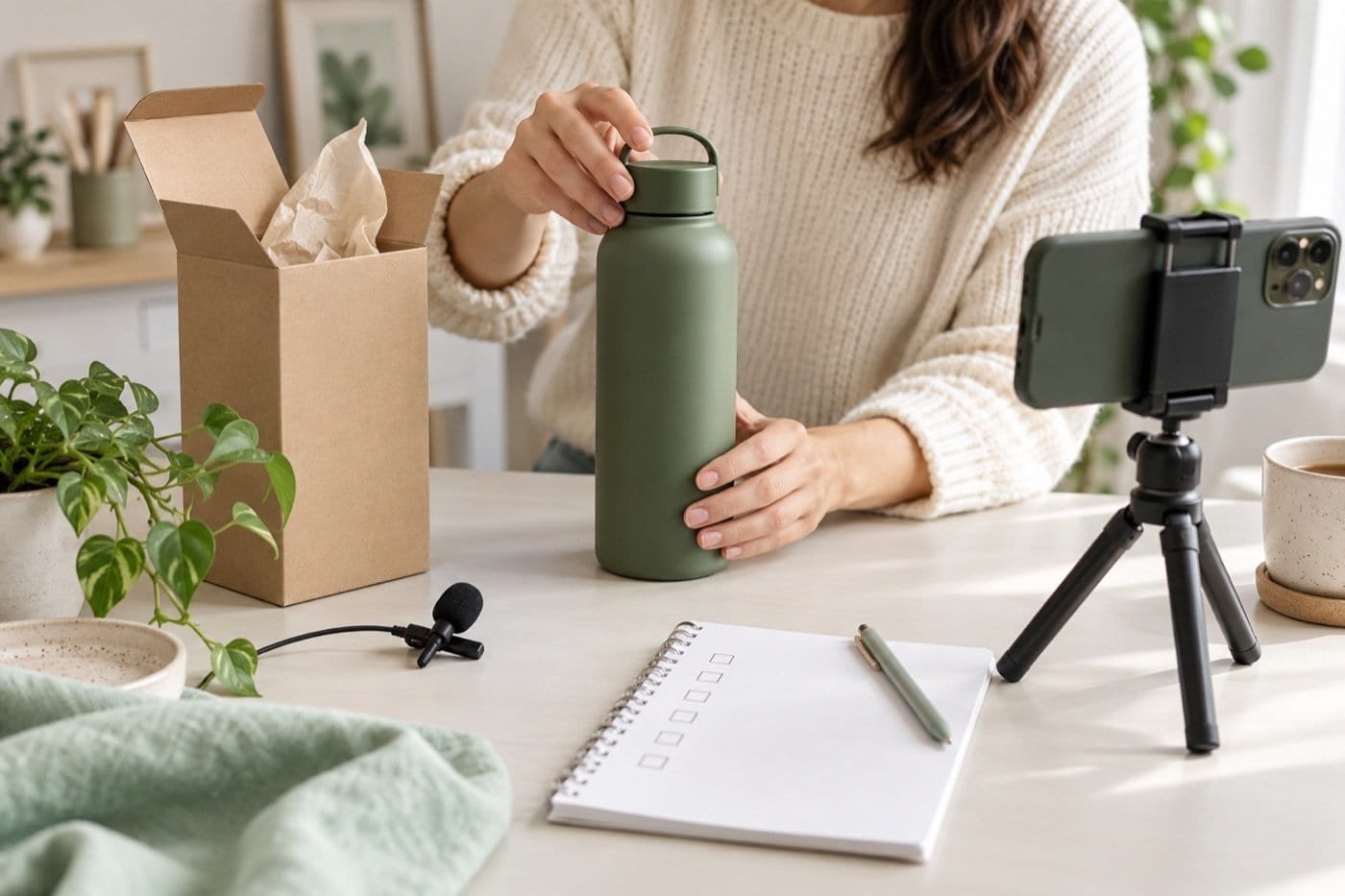
How to write a creator gifting brief before shipping the product
A product cannot explain the assignment on its own. Use this template to agree content, timing, publishing and rights before it ships.
Read the guide
How to keep self-filmed UGC clear and useful
Natural, clear content starts before recording. Use simple checks for sound, image and message accuracy before the final handover.
Read the guide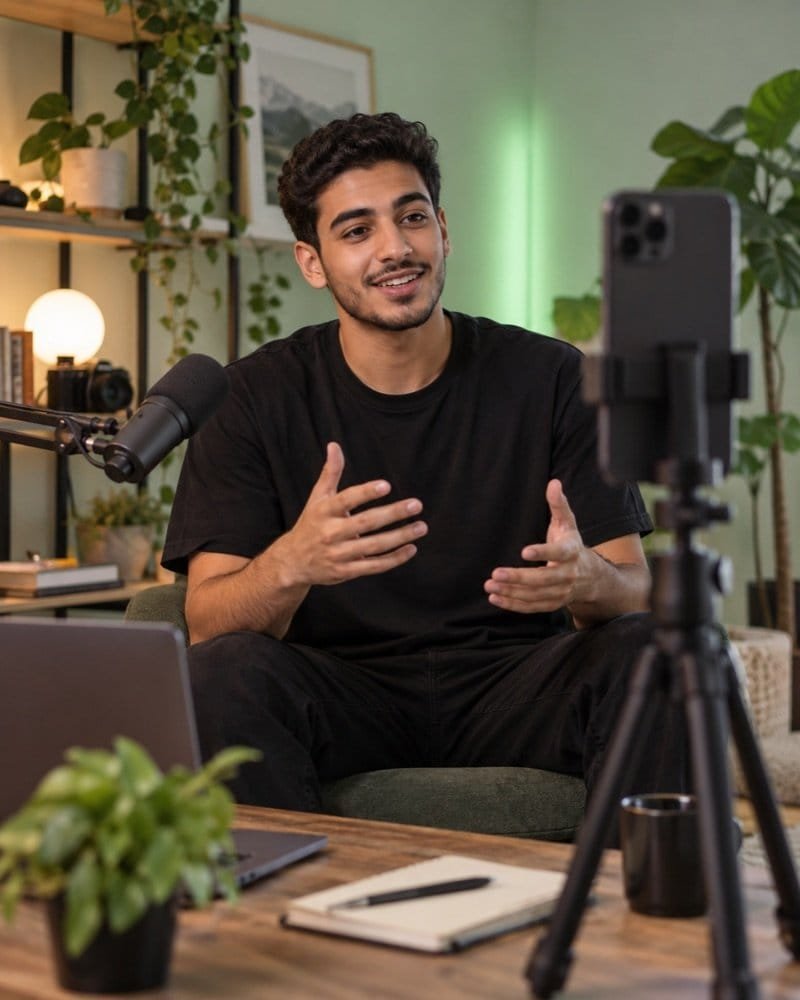
How to choose the right creator for your brand
Follower count cannot answer every question. Review audience relevance, presentation style and production fit before building your shortlist.
Read the guide