 WhatsApp
How to keep self-filmed UGC clear and useful
Natural, clear content starts before recording. Use simple checks for sound, image and message accuracy before the final handover.
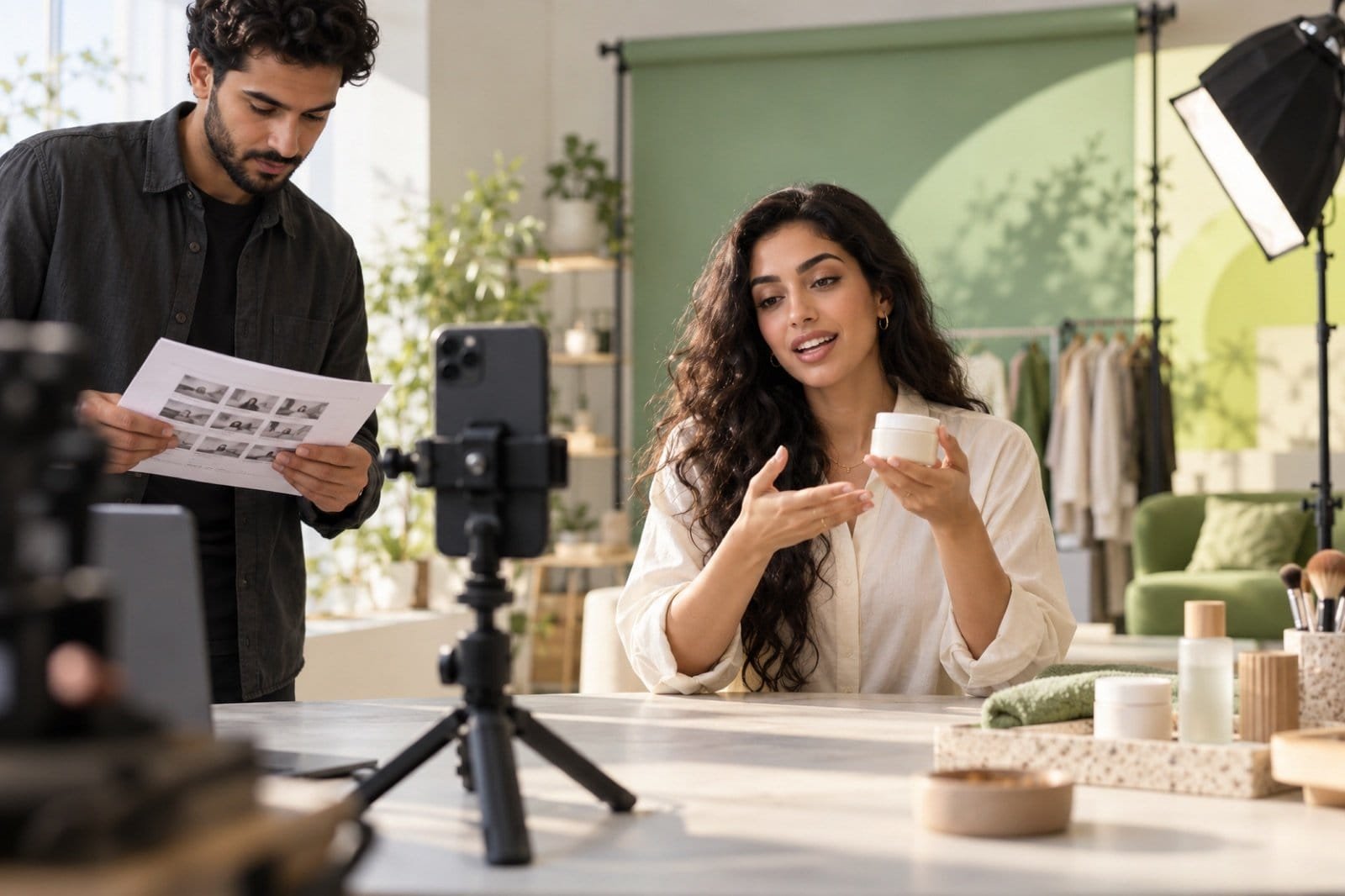
Self-filmed content works best when the idea is easy to follow. Unclear sound, a barely visible product, a long introduction or an unsupported claim can get in the way. Every video does not need a studio, but it does need a short plan and a practical review process. Think of the work in three stages: prepare the setting, film the action that demonstrates the message, and review the file as the audience will experience it. The steps below give creators and brands a shared reference.
Three checks before delivery
Before filming, write the one thing viewers should understand
Choose one main idea. For example: “I will show how this bag is organised and what fits inside.” Then ask which shots make that point clear without unnecessary explanation.
You might need a full view of the bag, a shot of it opening, a sequence placing items inside and a close-up of an important detail. That is an actionable shot list. “Film the bag from attractive angles” may produce good-looking footage without answering the viewer’s question.
Also confirm the destination, required format, language or dialect, and whether on-screen subtitles are included. These choices affect framing and the space you leave for text.
Test the setting before filming everything
Record a short sample in the actual location at the distance you intend to use. Listen with headphones and through the phone speaker. Are the words clear? Is there fan noise, traffic or echo? Adjust the location or distance before repeating the entire performance.
Check both the person and the product. Avoid a bright background that leaves the subject dark or reflections that hide the product name. Clean the lens, stabilise the phone and test the product’s movement within the frame. A static test is not enough if the demonstration involves using it with your hands.
Film the action you are describing
If you mention how a lid opens, show it opening. If you explain a bag’s capacity, put the relevant objects inside. A shot that answers a question is more useful than repeating the product name.
Use your own natural words within the approved facts. A few speaking prompts can be easier to work with than a long memorised paragraph. Record short alternate takes when useful, leaving a moment before and after speaking to help the edit.
Do not say you have used something for a week if it arrived today. Avoid turning a marketing description into a personal experience you have not had. If the product needs time to evaluate, raise that before agreeing a delivery date.
Example: a shot plan for an everyday bag
This is an illustrative example to adapt, not a description of an actual campaign:
- Opening: “These are the things I usually carry. Here is how I arranged them inside this bag.”
- Overview: The open bag, with the items next to it.
- Demonstration: Placing each item inside, with a clear view of the pockets.
- Detail: Closing and carrying the bag to show its size in context.
- Ending: Summarising what the video demonstrated, without adding untested durability or long-term-use claims.
The creator can change the wording and pacing while keeping the intended idea and essential shots.
Review the video in three passes
The visual pass
Watch without sound. Is the idea understandable? Is the product visible? Is text clear of edges and interface elements that may cover it? Are there people or personal details in the background that need permission or removal?
The sound pass
Listen without focusing on the picture. Are sentences understandable? Does any music cover the speech? Are the product name and details correct? Use only audio material permitted for the agreed use.
The brief pass
Check the number of files, format, essential shots, facts and on-screen wording against the brief. Review subtitles word by word, particularly names, numbers and Arabic text direction and shaping. Ensure the final export contains the correct wording rather than temporary editing text.
Deliver files that are easy to use
Name files clearly with the project, version and language. Deliver the final version through the agreed method rather than relying on a compressed chat copy when an original-quality file is required. Do not assume clean versions, alternate captions or raw footage are included; agree these before production.
Agency guidance turns the brief into a clear reference and feedback into specific next steps. In 20Five’s self-filmed UGC pathway, the creator handles filming while the team provides direction, coordination and review within the project scope. Professional crew-led production is discussed separately.
Take the next step
Turn the guide into a clear brief, then discuss scope and fit with 20Five.
More from the journal.
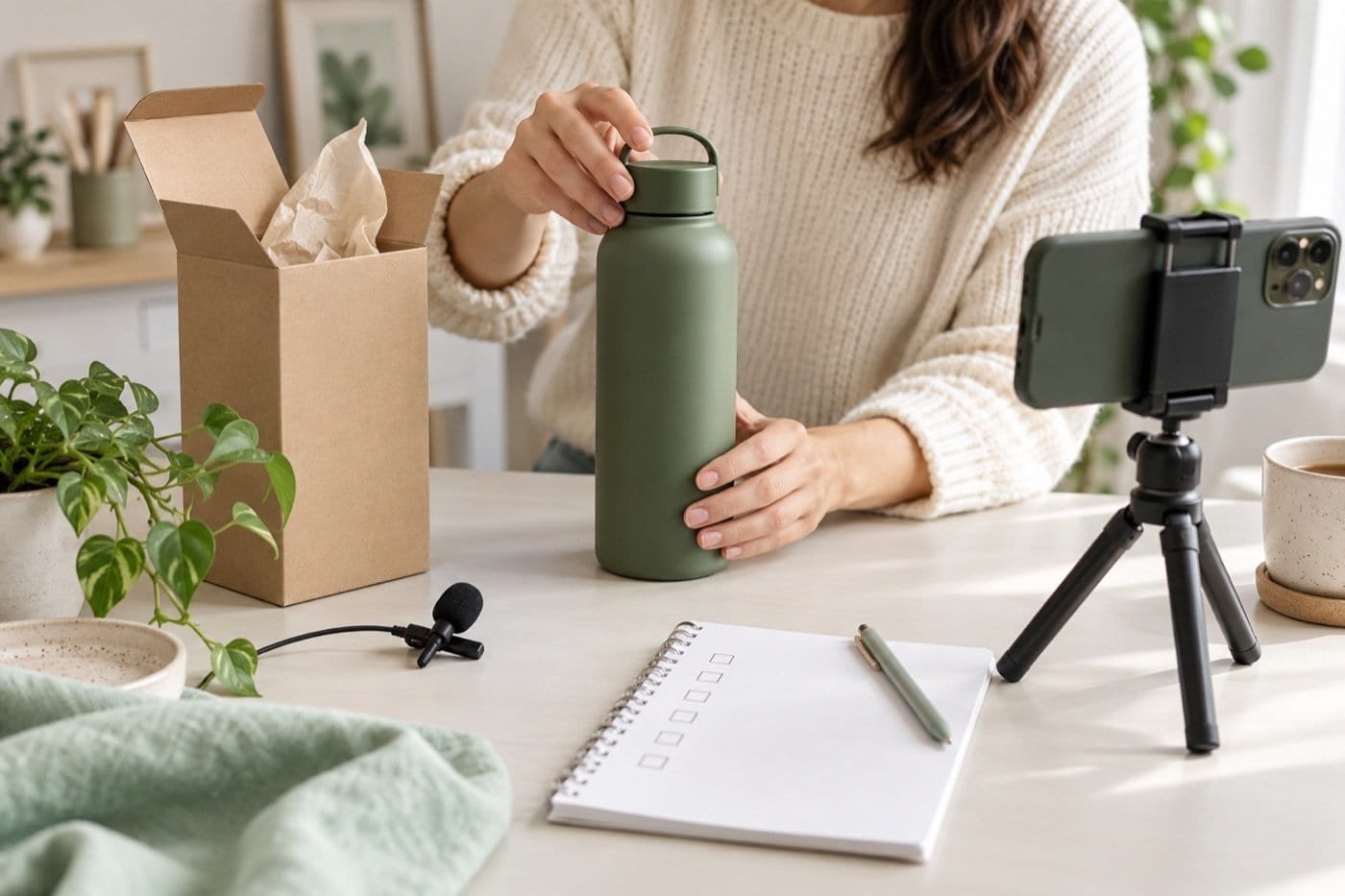
How to write a creator gifting brief before shipping the product
A product cannot explain the assignment on its own. Use this template to agree content, timing, publishing and rights before it ships.
Read the guide
How to choose the right creator for your brand
Follower count cannot answer every question. Review audience relevance, presentation style and production fit before building your shortlist.
Read the guide
How to plan your first LIVE content series
Give viewers a clear reason to join, then build an episode format you can prepare, present and improve consistently.
Read the guide