 WhatsApp
How to choose the right creator for your brand
Follower count cannot answer every question. Review audience relevance, presentation style and production fit before building your shortlist.
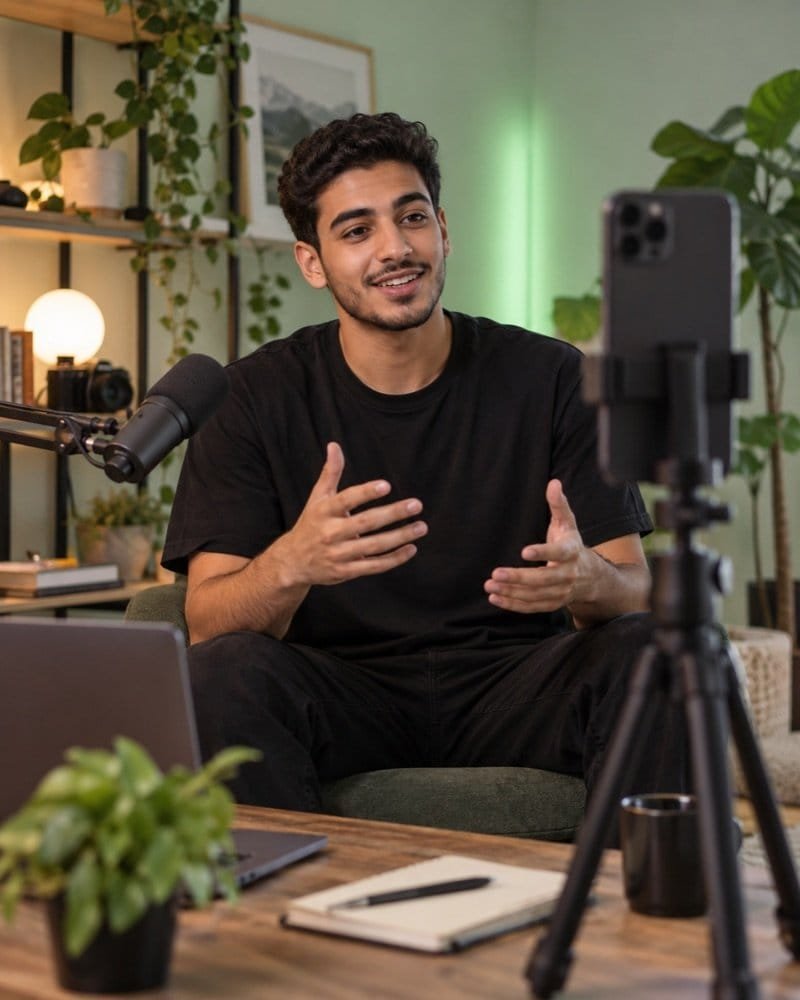
Two people can make content in the same category while serving very different purposes. One carefully explains details; another shares quick experiences with a different audience. A useful selection question is: What role will this person play in this project? If you need a video for a product page, clear demonstration and filming ability matter. If the creator will publish it, you also need to understand their audience and the market they reach. Start with that distinction, then compare candidates against the same brief.
1. Define the objective before browsing profiles
Write one sentence describing the intended output. For example: “We need an Arabic video showing this bag opening and its compartments, for use on the brand’s account.” That sentence identifies practical capabilities to look for.
“We want strong exposure” does not define content, audience or destination. If reach is a central objective, specify whom you want to reach, where, the proposed publishing format and the data you will be able to review afterwards.
2. Review audience relevance when publishing matters
A creator’s country of residence does not by itself establish where their audience lives. Where publishing is part of the project, request relevant, current audience information with its date, source and scope.
Review the language of posts and comments, the questions people ask and the topics of recent content. Comments discussing product details can help you understand interest, but they do not establish sales. A large or small comment count alone is also insufficient evidence of audience authenticity.
3. Look at how the creator presents products
Watch ordinary examples, not only a single standout video. Can the person make an idea clear? Is the product visible? Does the style fit the brand’s tone? Is the delivery natural in the required language or dialect?
Find a sample close to the actual task. Someone who is excellent at styling clothes may need a different approach to explain a device or organise a bag. Success in one format does not automatically establish fit for every product.
4. Check execution and working arrangements
Creative ability matters, and the project also needs workable logistics. Ask about availability, the required scenes, receiving the product and the files the creator can provide.
Review feedback, dates and rights before making a final comparison. A lower-priced proposal may include different deliverables or permissions. Compare the scope before comparing the number alone.
Six checks for creator fit
A simple comparison card
For each candidate, use three labels: “Fits,” “Needs clarification,” and “Does not fit this brief.” Add a short reason or piece of evidence beside each point:
- Audience: Is there evidence of relevance to the target market if publishing is included?
- Language: Is delivery natural and understandable for the intended audience?
- Subject: Does the product have a credible place in their content?
- Execution: Do the samples demonstrate the ability to film the required scenes?
- Availability: Do the logistics and timing work?
- Rights: Does the proposal cover the intended destinations?
Do not treat “Needs clarification” as a negative assessment without asking. The information may simply be absent from a public profile.
Example: choosing someone to demonstrate a bag
This is a hypothetical example, not a comparison of real creators:
The first candidate makes fast daily videos with lively discussion around travel, but their portfolio does not contain a detailed product demonstration. The second makes clear explanations of pockets and sizes, has a smaller audience and has not supplied audience data.
For content delivered only to the brand, the second candidate’s style might fit the assignment better, subject to quality, availability and rights. For a published post intended to reach travellers in a particular market, you need suitable audience information for both before deciding. The brief determines which evidence matters.
Five questions before the final decision
- Can we explain the choice in one sentence tied to the objective?
- Have we seen examples close to the task, rather than relying on a general impression?
- Have we reviewed the audience where reaching it is part of the project?
- Are deliverables, rights, reviews and timing comparable across proposals?
- Could a missing fact be resolved with a question before agreement?
A useful shortlist gives every name a clear reason to be there. Share your brief with 20Five to discuss the collaboration type and selection criteria before coordination and production begin.
Take the next step
Turn the guide into a clear brief, then discuss scope and fit with 20Five.
More from the journal.
How to write a creator gifting brief before shipping the product
A product cannot explain the assignment on its own. Use this template to agree content, timing, publishing and rights before it ships.
Read the guide
How to keep self-filmed UGC clear and useful
Natural, clear content starts before recording. Use simple checks for sound, image and message accuracy before the final handover.
Read the guide
How to plan your first LIVE content series
Give viewers a clear reason to join, then build an episode format you can prepare, present and improve consistently.
Read the guide